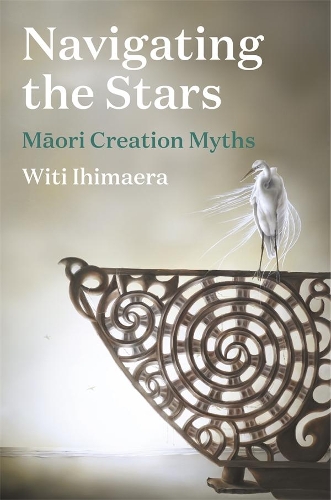
Review (te Reo Māori): Navigating the Stars: Māori Creation Myths
He pukapuka rerehua tēnei. Mai i tōna waihangatanga, arā, te tau o te mahinga toi i te uhi, te tuarā pakari, ngā whārangi whakamutunga, ngā pikitia, ngā whakaahua, te rongo o te āhua o ngā pepa, tatū atu ki ngā kai o roto, arā, te kaha me te pūmahana o tā Witi Ihimaera taki kōrero; tana wairua whakatoi; tōna reo kōrero “i-tō-pakihiwi-tonu-nōu-e-pānui-ana" e ponitaka ana i a koe; te whakapuakanga o ngā kōrero hōhonu nō mai rā anō, nā te matua ki tana tamaiti – he whakangahau, he whakatupato, he whakaaroaro, he mana nui hoki tō te kupu.
Ki a au nei, ka kitea te pai o tētahi pukapuka, i roto i taku hiahia kia noho pātata mai te pukapuka ki a au, ka tahi, te rongo ohotata o te ngākau ki te whakarārangi, te tuhituhi, te whakaahua, te tuku hoki i ētahi o ngā tino kōrero mā te Pae Tīhau, te Pukamata, te Tuku Karere, te īmēra hoki, ka rua, me te nui o te hua ka puta i taku pānuitanga atu, ka toru.
Eke ana i a Navigating the Stars ērā paearu e toru āku. Ka ngana au, pēnei i te tamāhine e kanikani nei mā te tū i ngā wae o tōna pāpā, ki te whakamahuki i tēnei pukapuka. Ko te manako nui, kia arohia hoki nga nekenekehanga o ēnei kōrero tāwhitiwhiti, pārekareka anō hoki:
I te tīmatanga (the beginning)
I roto i te kōrero whakataki, ka whakatakotoria e Ihimaera te kōrero, he wāhanga nui tō te pūtaketanga o ngā kōrero tuku iho i te whanaketanga o te tangata, me te kī ake: “Myths give us shape and tell us who we are”. Ka mihi rā ahau ki a ia mōna i whakapuaki i ōna whakaaro mō ētahi o ngā uauatanga o te whai kia mau tonu te mana me te tau o ngā kupu taketake i ngā pūrākau, tāna whakapāha hoki i te korenga o te oro o te reo rangatira i rangona. Heoi anō, ka whakatakotoria hoki ōna whakaaro mō te pānui pukapuka e pā ana ki te ōrokohanga mai o te ao, “[it is] an utterly miserable way to know it”, ā, ahakoa tērā, taea ana e ia ētahi kōrero riroriroi (tukituki hoki) i ōna wā, te whakamārama, arā, ngā kōrero mō te hunga nā rātou i pēnei ai te ao, nonahea i pēnei ai, nā te aha hoki i pēnei ai: ka tīmata ki te wā (arā, ki Te Kore, Te Pō me Te Ao), kātahi ka tahuri ki te wāhi (ki Hawaiki-ariki), ā, ka oti ki ngā kōrero mō te hunga nā rātou i pēnei ai, arā, ki te tokorua tuatahi rā me ā rāua tamariki tohetohe. Hei tāna, “[he is prepared to] risk the ire of other iwi by giving his father, Te Haa’s version”, mō te tupono ka werohia te ‘tika’ o tēnei kohikohinga kōrero nā ngā iwi maha.
Ngā tāngata rongonui (the '(in)famous' people)
Ko Hine-nui-te-pō rātou ko Hine-ahu-one, ko Māui-tikitiki, ko Tāwhaki - ētahi o ngā tuahangata e mōhiotia ana e tātou (Māori mai, Pākehā mai hoki); hoki atu, hoki atu, he rite tonu te tāruatia o ō rātou kōrero mā te hunga tamariki, i ngā pukawaituhi me The School Journal. Ka kitea e te kaipānui te rerenga tahitanga o tōna hinengaro atamai me tōna wairua whakaihiihi i ngā kōrero, he rite hoki ki te rerenga tahitanga o te wāhi me te wā i te tukanga tuhi ka whakamahia e Ihimaera i te roanga o te pukapuka. Uaua ana te pānui me te kore i paku whakaae atu, i paku mimingo atu rānei i ana pito kōrero i te taha, 'So far, so good... Not bad for a mere demigod, eh?... ugh!... Now to the story...'.
Ko tā tēnei wāhanga o te puka, he whakatakoto i ngā kōrero mō ngā pūrākau matua e whakamārama ana i te ao e noho nei tātou; te wāhanga o ngā kōrero e whakamārama mai ana nā te aha i pēnei ai. Ka hihiko anō te ngākau i te kitenga o ngā kōrero The Ponaturi Attack (whārangi 299), he wā anō tōna i tahuri ai ahau ki te tuhi kōrero mō te iwi nei. Ka ahu mai ēnei kōrero i te wāhanga mō Rata, i heke i a Wahie-roa, te tama a Tāwhaki:
There was a flash of green light on the horizon, and the sea began to seethe and hiss and change colour.
“Light the bonfires!’ Rata ordered.
Just in time. For as darkness fell, the cohort of ponaturi, slippery and hideous, suddenly arose out of the breakers. Every wave brought more and more of the thousand evil ones surfing in. They crawled up from the surf and onto the land where they began a fierce haka.
‘They come in such numbers,’ Rata’s mother, Matoka-rau-tāwhiri, said. ‘How can our palisades withstand their thousands?’
But Rata set up a rallying call. ‘Whītiki! Taua! Prepare for battle!’
With a hideous sighing sound, the ponaturi began their attack. They were relentless, battalion upon battalion coming up from the beach and flinging themselves against Rata and his troops; the warriors faltered and fell. Some of the ponaturi were mounted on giant flying fish and swooped upon the defenders on the palisades; they raked their talons across Rata’s men, aiming for the stomachs, eviscerating them…”
Whūūū! Kātahi te kōrero whakaihiihi ko tērā, tētahi tauira hoki o ō Ihimaera pūkenga: he toki ki te tuhi pakiwaitara, ānō he kōrero nā Tolkien mō ngā pakanga i te whenua o Mordor.
Te haerenga (the journey)
I a tātou e taki whakapapa ana, ka āpitihia atu ko ngā waka i ahu mai ai tātou (ki te mōhiotia). Koia te punga (mihi mai) i mānu ai tātou i te puna kōrero o ō tātou iwi. Kua taunga tātou ki ēnei kōrero, he kōrero mana nui, e mau nei ko ngā kōrero mō te ōroko tīmatanga me te hononga ki ngā tīpuna, nā rātou nei te moana nui o Tangaroa i whakawhiti kia tae mai ai ki konei, ki Aotearoa. Pārekareka hoki ki a au ngā kōrero mō Rākaihautū mā o te iwi o Kāi Tahu, nā te mea kei Waihora ahau e noho ana, nō reira, ka mihi anō ahau ki a Ihimaera mōna i whakaupoko i tēnei wāhanga ki ētahi whakapuakanga mō "the most profound and yet little-known inventories [of] the Waitaha, the pre-Kāi Tahu and Ngāti Māmoe iwi who settled the South Island". Ahakoa rā tana tautohe ki a ia anō, i te uaua o te tuhi i tēnei wāhanga (Ngā tūtukinga wae o te ao o te kaituhi), he nui nō ngā puna mātauranga i torohia, he mataku hoki nōna ka eketia ia e te kōrero, "You are telling the wrong story", i pūmau tonu te aro atu ki tēnei wāhanga, i hīnātore hoki, me te aha, kua nui kē atu te kauanuanutia o te wairua hautoa me te tohungatanga anō hoki o ērā i tahuri rā ki te kimi whenua hou.
Hei whakakapi (in conclusion)
He whakamaharatanga hoki kei roto i ngā kupu whakamutunga a te kaituhi, kīhai i taea e tātou te pānui noa i ēnei kōrero, ka kore noa iho ai hei ā muri:
“Our ancestors faced the future with youthful energy and logic that was breathtaking, and their narratives have enabled us to be as creative, innovative and risk-taking today. All that is gone before… use it to strengthen and embolden yourselves as you go forward…Your journey as ascendant from the atua continues…”
Ngā mihi nui ki a koe, e pā, e Witi, tēnā koe (tēnā hoki kōrua ko tō pāpā). Kua kī, kua tata purena hoki taku kete i ngā kai kua hora mai nei; ko tō reo tērā e wawāra tonu ana i aku taringa. Ka tahuri ki a tātou, te toenga o tātou: hokona atu te pukapuka nei. Hokona kia rua - māu tētahi, mā tētahi anō tērā atu. Ki te toro atu te ringa ki te pānui i tēnei pukapuka, mai i tētahi pito ki tētahi (me pērā rawa), te āta ruku rānei ki tāu i pai ai mā te toro ki te rārangi kaupapa (me pērā hoki), e kore koe e matakawa i te otinga atu.
E kore koutou, e ngaro,
Ngā kākano i ruirui mai
i Rangiātea
You are from the seeds
sown at Rangiātea and
you will never be lost.
Nā T. K. Roxborogh tēnei arotakenga