Review: From the Centre: A Writer’s Life (Whakamāoritanga)
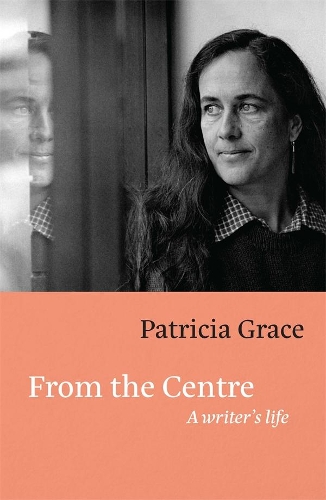
I’ve always viewed Patricia Grace as a kind of oracle. I have wondered how she remained steadfast all those years. Long before it was fashionable to be anti-racist, she was calling out questionable children’s books for depicting harmful stereotypes. She demanded story sovereignty from the beginning, refusing to put a glossary of kupu Māori in her books because she didn’t want to suggest that we were foreign in our own land. “Land back” - the mic drop refrain of the new generation of activists - could have been coined by her in the 70s.
From the Centre, the new memoir by Patricia Grace, relays a lifetime of doing things her own way. The picture that emerges is of a quietly determined, subversive and nuanced thinker. Someone who, as a teenager, refused to sit as a model for a Māori Madonna for a favourite art teacher because it didn’t feel right. On more prosaic religious matters, she was similarly unimpressed, “Every so often the missionaries would arrive in the parish to shout and storm about sin, hellfire and damnation. I didn’t like them at all.”
This is a book which can be read many ways. It is the curated memories of a beloved wahine Māori who readers will enjoy getting close to. She is a master of understatement when talking about loved ones, “I saw Dick coming towards me, also in a hurry, also alone. We stopped and talked. He asked me to go to the movies with him, and I agreed. He has been the man in my life ever since.” In one wry anecdote, we are treated to the image of this 80-year-old national treasure taking flight in stork position at yoga, relying on the broad feet inherited from her grandmother. The delicate rendering of landscapes, especially around her house and her ancestral land at Hongoeka, north of Wellington, transport you to the place where she is most at home.
It is the story of a woman. Almost every woman’s memoir will have a section about men being inappropriately intimidating and using power to dominate women. In her case it was a priest, a leering parishioner, strangers harassing her in the streets, on crowded trams and buses. Grace relays the terrible confusion of these experiences when they occur within the sanctuary of her faith and the depression that they induced for her. “What was it about me that was attracting certain behaviours in others. What was it about me that was noticeable to certain people who recognised some inherent wrong in me?”
The memoir is also an insight into the creative process of a celebrated writer. She says that she writes for herself, and for anyone who will read her, with one caveat, “If Māori readers did not relate to my writing, or if they rejected it, I would not do it.”
Writing Māori characters in Māori contexts has been her driving ambition, nurtured throughout a teaching career where she saw firsthand the missed opportunities to show children images of themselves in writing. She is bold, unafraid to do what is right for her and her stories, “I have not had contracts with publishers until a work has been accepted for publication, and so have never had deadlines. This has been my preference - to take all the time I’ve needed, and to keep the option open as to whether, in the end, I wanted a work to be published or not.”
For me, it was a history lesson dressed in memory. The writer Reni Eddo-Lodge said once that, “Faced with a collective forgetting, we must fight to remember.” There is so much about our recent history which has been obscured and the testimony of someone who was there strips the forgetting away.
The callous and casual racism directed at Grace and her whānau is relayed in a steely monotone. From using the family’s Pākehā name to rent houses because renting to Māori was something landlords could decide not to do, and bank loans were not available to Māori, or women. She suffers from disillusionment from a young age as she becomes aware of the way that members of her Pākehā family disrespect her father because he is Māori, and the way the education system did the same to her contemporaries and later, her students.
I winced, thinking of my struggles with wetereo when she says, “When my children began at secondary school which had Māori language on the timetable, they learned that some of their friends had been advised by their primary teachers not to take it because it had ‘no grammar’!” There is the horrible but unifying experience of being Māori during Labour’s foreshore and seabed legislative betrayal, felt deeply by Grace’s iwi who could demonstrate uninterrupted customary rights from the 1820s.
The fight to remember is also about calling to those who made a difference. If you consider the history of New Zealand writing, it is both frightening and inspiring how influential the Spiral collective has been. This is the group who published Keri Hulme’s The Bone People and J.C. Sturm’s The House of the Talking Cat, among other brilliant works which were unable to find support elsewhere. A group of women from the collective published Grace’s famous children’s story The Kuia and the Spider. From the time this book was published, Grace always insisted on reo Māori versions of her children’s books. It was similarly important to learn about Phoebe Meikle, a former teacher who published stories by Māori and Pacific writers, so that all students could read stories they could relate to. As Grace describes working through initial drafts for the film adaptation of Cousins with visionary documentary maker Merata Mita, the collective power of Māori creative forces becomes apparent. It is a political act to remember that these are people who made a difference.
It has been difficult to convince some about the truth of our history in this country. The burden of proof falls on the dispossessed. “Did you really get beaten for speaking your language? Surely not.” Or, once it is proven that people did get beaten for speaking the Indigenous language, you’re asked, “but how many people really got beaten, just a few, probably? How much of your land was really taken?” In this memoir you witness the slow, bittersweet reclamation of te reo Māori me ōna tikanga from a time when our culture was in desperate peril through the eyes of someone who has lived it. With Grace there is no distance between us, no shallow interpretation and we recognise that, in learning history, it matters who is telling the story.
Reviewed by Emma Espiner
Patricia Grace spoke with Emma Espiner alongside Anahera Gildea and essa may ranapiri at the Auckland Writers Festival in May 2021 in a free session called Tino Rangatiratanga in Publishing.
She was also interviewed by Nic Low at the Auckland Writers Festival in May 2021, and you can view this session on the festival’s website.
Whakamāoritanga
Mai anō au e whakaaro ana he momo a Patricia Grace. Ka mahara ahau nā te aha rā i ngākau titikaha ai ia i roto i ngā tau. I mua noa atu i te wā i tīmata ai te kaha o te whakahēngia o te kaikiritanga, i reira ia e wero ana i ētahi pukapuka whakararapi māhunga, mā te hunga tamariki, i te nui o ngā whakaaro horapa o roto e hē ana. Mai i tōna tīmatanga kua whai kia ū ki te mana motuhake o te kōrero, me te kore i whakaae kia hoatu he rārangi kupu Māori ki ana pukapuka, he kore nōna i pīrangi kia pōhēhē ētahi he manuhiri kē tātou i ō tātou ake whenua. “Me hoki whenua mai” – te kīanga whakatumatuma a te reanga kaiwhakatumatuma hou – i hahua ake ai pea e ia i ngā tau o te 70.
Ko tā From the Centre, he kohinga mahara hou nā Patricia Grace, he whakakao mai i ngā kōrero mō tāna whai i tāna anō huarahi i tōna ao. Ka pupū ake tētahi pikitia o tētahi wahine whai whakaaro, he wahine tōngakingaki, he whakatōhenehene hoki. Tētahi i whakahē, nōna e taiohi ana, kia noho ia hei tauira o Maria te Māori mā tōna tino kaiako toi, i te hē o tērā ki a ia. He ōrite tonu tōna waiaro ki ngā kaupapa maroke o te hāhī, “I ōna wā kua tae mai ngā mihingare ki te pāriha ki te kauhau, ki te whakahau hoki i a mātou, kei taka ki te hē, koi riro i a Hātana. Kāore rātou i paku paingia e au.”
He rerekē te pānui a tēnā, a tēnā i te pukapuka. Ka noho te whakarārangitanga o ngā mahara nō tētahi wahine Māori hei take e minaka ai ngā kaipānui. He tohunga ia ki te kōrero whakatūai i a ia e kōrero ana mō tōna whānau ake, “I kite au i a Dick e whakatata mai ana, e whāwhai ana, e tū tahi ana. Ka tū māua, ka kōrero. Ka pātai mai ia mēnā e hiahia ana au ki te taki haere atu ki te whare kiriata hei hoa mōna, ā, ka whakaae atu au. Nō tērā wā māua i piri tahi ai.” Tērā tētahi wāhanga hangareka e whakaatu mai nei i tētahi whakaahua o tēnei taonga o te motu e whavkarite ana ki te tū tāka i te mahi pū āio. Ka tōia atu koe ki tētahi wāhi e tino mauri tau ai ia, i te kitenga hoki o ngā pikitia o te whenua, e ponitaka nei i tōna whare, tatū atu hoki ki tōna anō ūkaipō o Hongoeka, kei te taha whakararo o Pōneke.
He kōrero mō tētahi wahine. Me uaua ka kore e kitea i ngā kōrero a te wahine tētahi wāhanga mō te tāne e whakahopī nei i te wahine hei whakaiti i a ia. I roto i ēnei kōrero, he pirīhi, he kaipāriha e tiro mākutu ana, he tāngata kīhai i mōhiotia e whakapōrearea ana i a ia i ngā tiriti, i ngā tereina me ngā pahi e kikī ana. Ka whakatakotoria e Grace te pōauau nui i a ia i tana wheako i ēnei āhuatanga i te whare tapu o tōna whakapono me te auhi nui i utaina ki runga i a ia i te mutunga iho. He aha hoki i puta mai ai ēnei tūmomo whanonga i ētahi atu ki a au? He aha hoki tā ētahi i kite ai kia pērā rawa te kino o ō rātou whakaaro mai ki a au?
He whakaaturanga hoki tēnei kohinga mahara o te huarahi ka takatakahia e tēnei kaituhi hirahira nōna e tuhi ana. Hei tāna, mōna anō ana tuhinga, otirā, mō ērā e pīrangi ana ki te pānui, kotahi anake te here, “Ki te kore aku tuhinga e pā atu ki te Māori, he mea pare rānei e rātou ki rāhaki, e kore e whāia e au.”
Ko te tuhi kōrero mō ngā kiripuaki Māori i ngā horopaki Māori tāna tino kai, ā, he mea morimori tēna e ia, nōna e mahi ana hei kaiako, arā, te ao i tino kite ia i te mahuetanga o te wāhi hei whakaatu i ētahi whakaahua o ngā tamariki tonu ki a rātou anō mā roto mai i ngā tuhinga. He wahine mārō, ā, kāore i mataku ki te whai i tāna i whakapono ai he tika mōna, mō te kōrero anō hoki, “E kore au e whakaae atu ki te kirimana a tētahi kaitā pukapuka, kia whakaaetia rā anōtia e rātou te pukapuka, me te aha, kāore anō kia herea e te wā. Koinei tāku e mariu nei – arā, kia āta mahia ngā mahi, me te whai whakaaro i te mutunga mēnā rānei ka tukuna kia tāngia, kāore rānei.”
Ki a au nei, he akomanga hītōria kua kākahuria ki ōna mahara. Nā te kaituhi, nā Reni Eddo-Lodge te kōrero, “i te mōnenehutanga o ngā mahara o te tini, me kakari ia kia maumahara anō”. He nui ngā wāhanga o tō tātou hītōria kua rehurehu haere, i te kitenga ia o ēnei kōrero nā tētahi tangata i reira tonu i aua wā, ka pūrangiaho anō.
Mārō hītararī ana te whakatakotoranga o ngā kupu kaikiri i whiua noatia, i whakaaturia noatia hoki ki a Grace me tōna whānau. Mai i te whakamahi i te ingoa Pākehā o te whānau kia whakaaetia ai tā rātou noho ki tētahi whare, i te rangatira o te whare tonu te mana ki te whiriwhiri mēnā te Māori ka whakaaetia, ā, kāore ngā tahua pūtea i wātea ki te Māori, ki te wahine rānei. Mai anō i tana ohinga, ka pāngia ia e te matekiri i te kitenga o ētahi mema Pākehā o tōna whānau e whakaparahako ana i tōna pāpā, he Māori nōna, otirā, tā te ao Mātauranga pērā ki ōna hoa mahi, otirā, ki āna tauira.
Ka maopo, i a au e whakaaro ana ki te ngā wero kua rangona e au me te wetereo, nōna ka kī, “I te taenga o aku tamariki ki te kura tuarua, i reira te reo Māori e iri ana ki te wātaka, ka rangona te kōrero kua āta tohua ētahi o ō rātou hoa e ō rātou kaiako kura tuatahi, hei aha noa iho tā rātou whai i te reo Māori i te
‘korenga o ētahi tikanga wetereo’!” Arā hoki te wā i patua te iwi Māori i te whakamā, i hihiko ai hoki ia ki te tū kotahi i te kaikaiwaiū mai a Reipa i tāna ture takutai moana, ka mutu, i tino rangona tōna ngau e te iwi o Grace, me te aha, taea ana e rātou tō rātou mana taketake, mai anō i te takiwā o te tau 1820, te whakaatu.
He karanga tēnei kakari kia maumahara anō ki ērā i whai kia rerekē te ao. Ki te whakaarotia te hītōria ā-tuhituhi o Aotearoa, whakamataku ana, whakahihiri ana hoki te kite atu i te nui o te whakaawenga o te huihuinga Spiral. Koinei te rōpū nā rātou tā Keri Hulme, The Bone People, me tā J.C. Strum, The House of the Talking Cat i tā, me te huhua noa atu o ngā tuhinga papai, kāore i whai taunakitanga i wāhi kē. Nā tētahi kāhui wahine o te huihuinga te paki rongonui a Grace mā ngā tamariki, a The Kuia and the Spider i tā. Mai i te wā i tāngia ai tēnei pukapuka, i kaha tā Grace tohe kia puta he tānga reo Māori o āna pukapuka. He rite hoki te nui o ēnei kōrero ki ērā i kitea mō Phoebe Meikle, mō tētahi kaiako ō-mua i tā i ngā pakiwaitara a ngā kaituhi Māori, ngā kaituhi o Te Moana-a-Kiwa hoki, e kitea ai e ngā tauira katoa ētahi kōrero e hāngai ana ki a rātou. I a Grace e whakamārama ana i tāna whakatutuki i ngā tuhinga hukihuki tuatahi mō te urutaunga o te kiriata o Cousins, me te kaihanga pakipūmeka tiro whānui, me Merata Mita, ka tino kitea te mana nui o te tuitui i ngā pūkenga auaha o te Māori. I a tātou e maumahara ana ki ēnei tāngata, nā rātou i huri ai te tai, e whakatutū kē ana hoki i te puehu.
Papatoiake ana te whakapoapoa i ētahi kia tahuri mai ki ngā kōrero hītōria o tēnei whenua e tika ana. Whati ana te tuarā o te kūare i te pono. “Āe rānei, i patua koe mō te kōrero i tō reo? Tēnā, tēnā.” I te whakatakotoranga o ngā taunakitanga e whakaatu mai nei, āe, i patua ētahi tāngata mō te kōrero i te reo taketake o tēnei whenua, ka whiua te pātai, “tokohia katoa rātou i patua, kāore e kore, he tokoiti anake? He pēhea nei te nui o ngā whenua i riro?” Kei roto hoki i tēnei kohinga mahara ko ngā kōrero mō ngā piki me ngā heke, mō te whawhai roa hoki kia hoki mai te reo me ōna tikanga, inā hoki, i te taparerenga tonu o Oti-Atu tō tātou ahurea e noho ana, me te aha, he kōrero nā tētahi i noho i tērā ao. Hei tā Grace kāore ō mātou pātū, kāore mātou mō te whakamāmā i ō mātou whakaaro, ā, e mōhio ana mātou, ki te ako koe i ngā kōrero hītōria, he mana nui tō te tangata e tuari ana i aua kōrero hītōria rā.
Nā Emma Espiner tēnei arotakenga
Nā Parekura Pēwhairangi i whakamāori