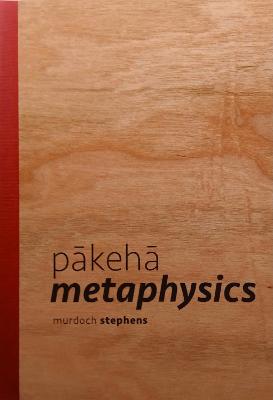
Pākehā Metaphysics
Find your copy...



Synopsis
Perhaps best known for his work on refugee protection, Murdoch Stephens turns his mind inwards with a new book Pākehā Metaphysics.
In this new book, he employs fresh introspective and speculative thought in a table turning attempt to better understand the unique identity of the Pākehā people.
In turn, the book aims to revitalise some aspects of metaphysics which have been ignored with the rise of scientific explanations. These aspects include the relation between appearances and essences, the three omnis - omnipotence, omnipresence and omniscience and whether metaphysics can be grounded in something other than universals or specific places.
'A witty and entertaining antidote to the navel-gazing angst of recent Pākehā accounts of living in Aotearoa,' says Brannavan Gnanalingam, Lawrence and Gibson contributing editor. 'Stephens uses the decidedly unfashionable philosophical branch of metaphysics to re-cast how we all could think about how we engage with our place in this country.'
The book is structured around the old rhyme used to direct a bride’s comportment for a wedding: something old, something new, something borrowed and something blue. These four chapters both describe the implicit Pākehā metaphysics as they have come to exist while also gesturing at what direction Pākehā metaphysics should take for optimal existence. Not content to survey the past or dabble in futurism, the book also asks:
* How Pākehā can escape the metaphysical blues of the West?
* And, what, if anything, can Pākehā legitimately borrow from place-based and indigenous metaphysics?
'What does it mean to be Pākehā? In a way, Stephens takes a very un-Pākehā approach to answering this question - by completely avoiding the placement of himself and his experiences at the centre of it. Instead, Pākehā Metaphysics is a refreshingly existential unpacking of Pākehā being,' says Tīhema Baker (Raukawa te Au ki te Tonga, Ātiawa ki Whakarongotai, Ngāti Toa Rangatira). 'Incisive, funny, and somehow nihilistically hopeful, this is a welcome addition to Pākehā identity discourse.'