Review: a trio of Ngā Pukapuka Pekapeka chapbooks
Ash Davida Jane admires three chapbooks from small press Ngā Pukapuka Pekapeka: Ray Shipley's MY BODY IS A HORROR FILM, Annabel Wilson's MAKING MIXTAPES WITH SEICHAN, and Nathaniel Herz Jardine's SQUARE CHURCH AND OTHER STORIES.
Ōtautahi-based small press Ngā Pukapuka Pekapeka’s second series of chapbooks brings us impressive new work from Ray Shipley, Annabel Wilson, and Nathaniel Herz Jardine. As they remain one of the only presses producing works of this length in Aotearoa New Zealand, these books are a rare delight. They’re small in size but not in impact, and they’re an ideal length to consume in one sitting–not just an appetiser whetting your appetite for something else, but more like some kind of fancy dessert, rich enough that a few bites fills you up.
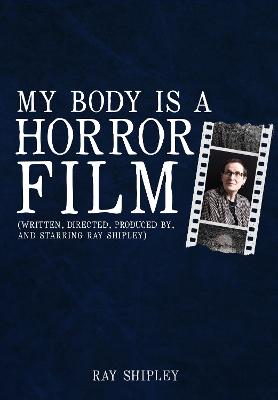
Ray Shipley’s collection of poems is both an ode to the art of horror and an expansive reflection on what it means to live in a queer body within a heteronormative, capitalist society. Shipley’s poems contain sincere emotional complexity pitched against a campy, melodramatic backdrop, like a poetic descendant of Buffy the Vampire Slayer. Through My Body is a Horror Film, we follow a narrative arc of Shipley falling at various times in or out of love (both with themself and with someone else), as they experiment with different ways to understand their life and their place in the world. There are moments of real pathos, elegantly put (‘How good it is, to be always expanding’), that lead right into witty theatrics:
And, o! My body navigates a gruelling terrain in a slow drama thriller in which my companions and I are slowly developing a deep hunger that we can do nothing about!
O! I am turning on myself!
I eat my own limbs!
Shipley’s skill is not just in writing both the deft, moving moments and the playful ones, but in bouncing them off each other to create something greater than the sum of its parts.
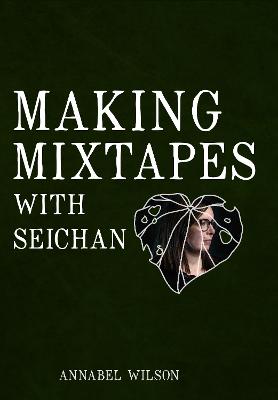
Annabel Wilson’s Making Mixtapes with Seichan is stylistically quite different from Shipley’s collection, but still sits well alongside it. Wilson is inspired by Japanese author Sei Shōnagon’s The Pillow Book (as it’s known in English), written around the beginning of the eleventh century. Making Mixtapes with Seichan is divided into five sections, or seasons, each named from the opening lines of The Pillow Book, with epigraphs where Wilson offers her own translations of these lines. Within this frame, Wilson writes poems recording details of her own life and the things she observes, as Sei Shōnagon does in her classic work. Many of the poems consist of lists, such as ‘Things later regretted’ and ‘Splendid things’, zooming in on the kind of day-to-day moments that may seem trivial, but in fact make up a life: ‘Blood orange gelato in an enamel bowel. The acoustic damping effect of fresh-fallen snow. Clematis festooning over our picnic.’ The careful attention Wilson pays to her life through these concise but lyrical descriptions instils a similar urge in the reader to notice and give weight to such moments in our own lives. Using the framing of The Pillow Book draws a line between the life of the Japanese poet and courtier and Wilson’s own life in a way that feels powerful and meaningful, reminding us that people have been noticing beauty and creating things from it for as long as we have existed.
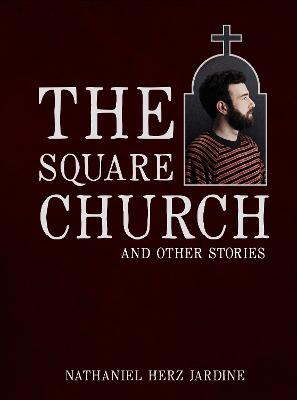
Finally, Nathaniel Herz Jardine’s short stories in The Square Church and Other Stories are brilliantly told, unsettling tales reminiscent of George Saunders, which grapple with uncomfortable truths about the nature of people. In the opening story, the dead are reanimated and return to their old homes and families. As the story progresses, its focus turns to the rights and legal entitlements of these ‘falsely buried’, as they are known, as they move to reclaim their lives and homes. Hertz Jardine’s fresh and absurdist take on the premise of the dead coming back to life is both funny and disconcerting, raising innumerable questions about death, the value of life, ownership, and the facade of civility. The title story, ‘The Square Church’, is an eerie and moving modern fable, while ‘Crisis Mode’ is a realistic, character-driven story about a group of trampers faced with a very real dilemma that forces them to consider their own moralities. Herz Jardine’s prose is polished and his sense of tone is impressive, especially for a debut. He’s definitely a writer to look for in the future.
Ngā Pukapuka Pekapeka have outdone themselves with this trio of books. All three are great reads with their own unique strengths, and there’s also a sense that they belong together–showing that the publishers have a clear sense of their personality as a press and the direction they’re going in. I’ll be eagerly awaiting whatever they bring us next.