Most beloved books from Aotearoa: NVA authors' faves
What Aotearoa New Zealand books inspired the eight 2026 New Voices of Aotearoa authors?
The 2026 New Voices of Aotearoa are writers who are shaping the next chapter of Aotearoa's literary landscape. They're writers to look out for, demonstrating commercial or critical success with their work. But what book or author from Aotearoa inspired them, and how has it impacted their writing? Read on to see what the eight authors said, and check out the book list at the bottom of this article.
.jpg&w=1920&q=75)
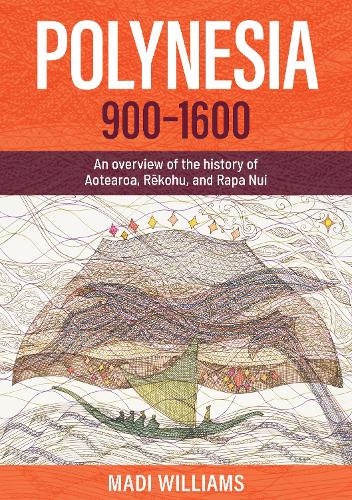
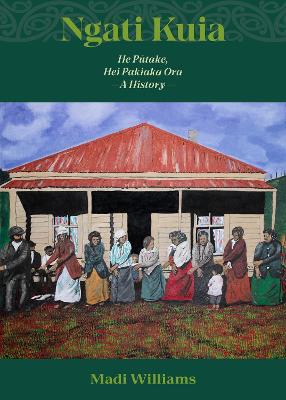
Dr Madi Williams (Ngāti Kuia, Ngāti Kōata, Ngāti Apa ki te Rā Tō, Rangitāne o Wairau), author of Polynesia, 900-1600: An overview of the history of Aotearoa, Rekohu, and Rapa Nui: 2021, and Ngāti Kuia: He Pūtake, Hei Pakiaka Ora | A History
My favourite New Zealand book is Tangata Whenua: An Illustrated History by Atholl Anderson, Judith Binney, and Aroha Harris. It covers such a wide range of history, using all kinds of source material, and is incredibly reliable yet really accessible and engaging.
.jpg&w=1920&q=75)
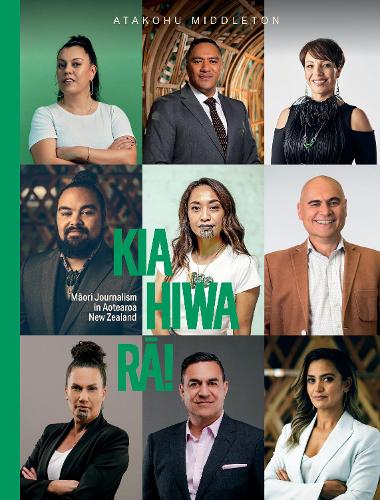
Dr Atakohu Middleton (Waikato, Pākehā), author of Kia Hiwa Ra!: Maori Journalism in Aotearoa New Zealand and the upcoming Waka Aroha (Auckland University Press, Sept 2026)
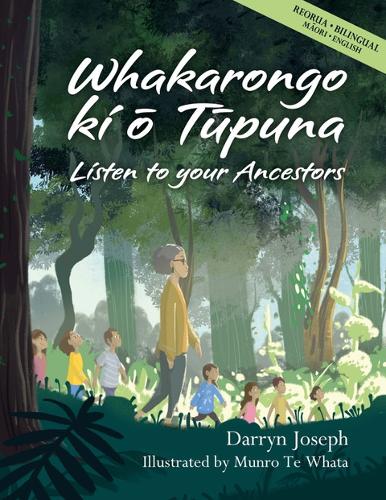
My favourite author in te reo is Dr Darryn Joseph (Ngāti Maniapoto), who writes books for kura kaupapa students and short stories for adults. His stories for rangatahi are fun, and his adult stories, which are in various editions of Huia Short Stories, are often thoughtful and wryly funny at the same time, and always beautifully written – he makes the most of the musicality and rhythm of te reo Māori.
And yes, he has had a huge impact on my writing – he was my mentor throughout the writing of Waka Aroha, providing that essential second pair of eyes that every writer needs.
.jpg&w=1920&q=75)
Zoe Rankin, author of the award-winning The Vanishing Place
Call Me Evie by J.P. Pomare. Reading this made me realise what type of books I wanted to write. Pomare writes thrillers with gripping twists and suspense but his writing is also beautiful and evocative. With The Vanishing Place, I wanted to write a psychological thriller that blended page-turning tension with introspective and atmospheric writing.
.jpg&w=1920&q=75)
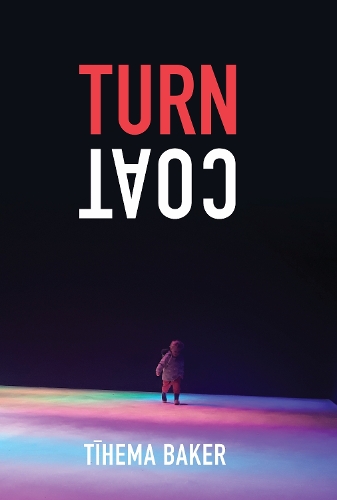
Tīhema Baker (Raukawa te Au ki te Tonga, Ātiawa ki Whakarongotai, Ngāti Toa Rangatira), author of Turncoat and the upcoming One Day a Taniwha (Moa Press, August 2026)
It would probably be The Luminaries by Eleanor Catton. The number of levels that book is working on kind of blows my mind - I'd love to write something as complex and compelling one day.
.jpg&w=1920&q=75)
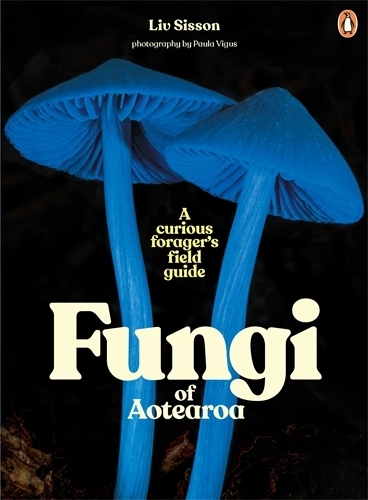
Liv Sisson, author of the Ockham-shortlisted Fungi of Aotearoa and the upcoming Butterflies and Moths of Aotearoa (Penguin, Dec 2026)
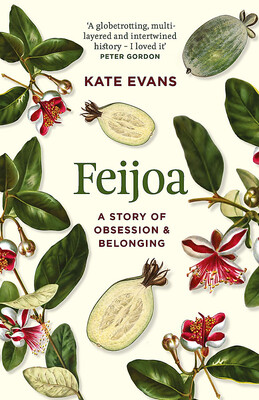
Feijoa by Kate Evans! This micro-history of 'New Zealand’s most socialist fruit' is informative yet funny and goes completely down-the-rabbit-hole. In it, Kate’s love for the feijoa takes her and her readers all over the world. This book reminded me that any subject, even a piece of fruit, approached with reverence and curiosity, can reveal histories of the earth and of ourselves.
.jpg&w=1920&q=75)
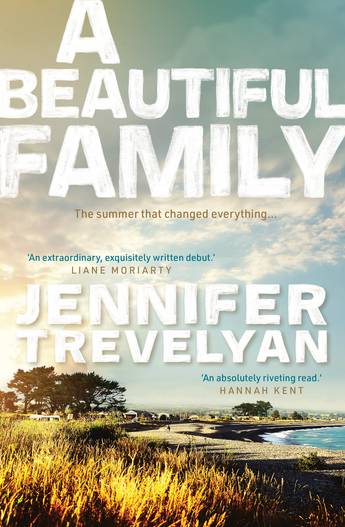
Jennifer Trevelyan, author of A Beautiful Family
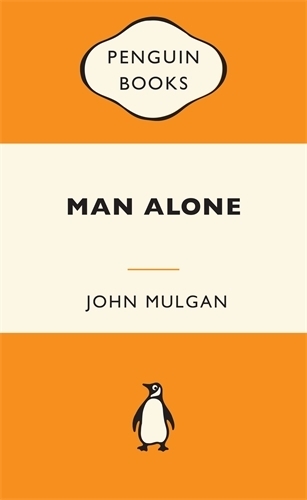
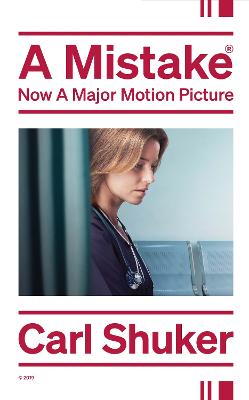
Really hard to narrow this down to one author or book. Maurice Gee and Margaret Mahy were huge influences growing up. As an adult reader I have read and re-read Man Alone by John Mulgan. I love this book and consider it one of the best novels ever written. Another stand-out is A Mistake by Carl Shuker. Both books have a sort of flinty realism about them that I love.
.jpg&w=1920&q=75)
Amber Esau (Ngāpuhi, Manase), author of Hungus
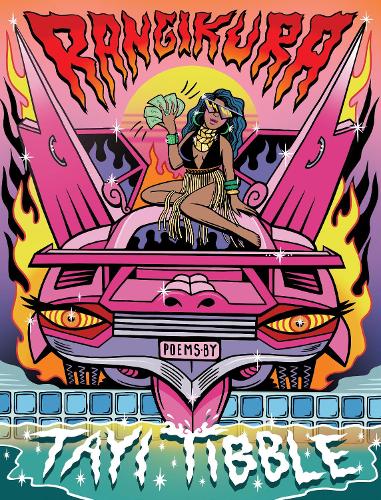
One?? That’s way too hard so I’ll pick a constellation: The Adventures of Vela by Albert Wendt; Brown Girls in Bright Red Lipstick by Courtney Sina Meredith; The Luminaries by Eleanor Catton; Rangikura by Tayi Tibble; and Moral Sloth by Nick Ascroft. These are some of the formative books that made me consider the possibilities of language, culture, and structure in my writing.
.jpg&w=1920&q=75)
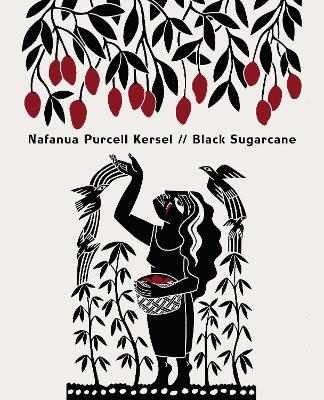
Nafanua Purcell Kersel (Satupa‘itea, Faleālupo, Aleipata, Tuaefu), author of Black Sugarcane, winner of Mary and Peter Biggs Award for Poetry at the Ockham New Zealand Book Awards 2026.
When I read Maurice Gee’s Halfmen of O trilogy, ‘inspired’ is the closest word to describe how I felt. It was visceral and illuminating, very on-brand for my adolescence. I felt my imagination fire up and curiosity expand in a way that I still chase in my reading and writing today.