Review: How We Cook, by Margo Flanagan and Rosa Power
'It is, like their previous cookbooks, full of ideas for salads, grain and vegetable bowls, and tray bakes...'
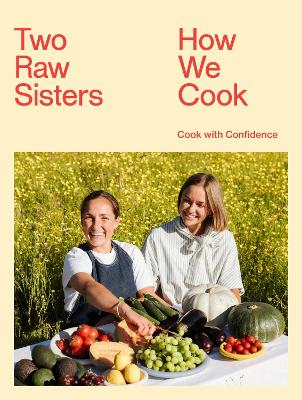
Following two successful books encouraging a multitude of ways to enjoy salad (Salad and More Salad), comes How We Cook from the Two Raw Sisters, Margo Flanagan and Rosa Power.
They cook with an Instagram aesthetic. They cook with whole oats. They cook with ‘everyday’ ingredients like pomegranate molasses. I felt faded and frumpy reading it.
But this is my problem, not theirs, and their true audience shares my house with me in the form of my young adult daughter. I handed her the book.
She loved it. Breakfast is normally struggle-street for her, as she refuses my morning vigil of vegemite on Vogel’s bread, but she lapped up the chapters here on overnight oats, baked oats, granola (with oats) and smoothies.
She reported that the Mango and Honey Chia Oats (p47) did exactly what Flanagan and Powers said it would, delivering flavour in every spoonful. One batch provided her breakfast for three days. The hardest thing she found in pulling it together was having me in the kitchen at the same time.
Once the bowl was licked clean of chia oats, the Chocolate Buckwheat Granola (p71) followed. Flanagan and Power say they wish to hero everyday ingredients, but it took me a few passes in my regional town’s main supermarket to find buckwheat, and I limped out without cacao powder. The chef at home had to manage with cocoa powder.
I was unsure about the inclusion of a mashed banana in the granola, but it worked and the chocolatey-banana-grains smell of it while cooking was lovely. It is now stored artfully in a large glass mason jar in my kitchen.
Each chapter starts with a ‘base recipe’, helping home cooks understand the theory and process of the meal type. In these each ingredient is provided with noted swaps and suggestions, each step explained, and tips and tricks offered. You are encouraged to experiment, cook seasonally, and develop confidence.
It is, like their previous cookbooks, full of ideas for salads, grain and vegetable bowls, and tray bakes. I whipped up the Ginger Satay Broccoli (p127) tray bake and tossed it with some brown rice. It stored well in the fridge and provided easy work and school lunches for several days. I followed the tip offered in the base recipe to not use baking paper when roasting vegetables, which got my heart racing. But it did result in crisp vegetables and did not result in the stubborn baked-on mess I feared. Flanagan and Power suggest my problem all along had been my oil choice.
Neither Flanagan or Power are vegan or vegetarian, but you won’t find instructions here for roasting a joint of meat or using a whole chicken. If this is how they cook, they eat a diet light on the classic kiwi meat and potatoes, and high in rolled oats, dried fruit and coconut oil. Their snacks chapters on muesli bars, snack balls and granola bark are really various ways of putting those core ingredients together.
Flanagan and Power strike me as the new generation’s Annabel Langbein or Donna Hay. It’s plant-based eating without being restrictive, but not a guide for night after night for a family on a budget – Power and Flanagan aren’t Sophie Grey.
They once released a book called Simple Fancy. It will depend on the type of home cook you are as to which of those adjectives you’ll find more descriptive of their overall style.